
Gardeners Herne Hill: Recycling and Sustainability
Gardeners Herne Hill is committed to creating an eco-friendly waste disposal area and a resilient, sustainable rubbish gardening area across Herne Hill and the surrounding boroughs. Our approach combines careful on-site separation, collaboration with local waste infrastructure and charities, and fleet choices that reduce carbon output. This page outlines targets, practical systems and partnerships that shape how gardeners in Herne Hill handle green waste, soil, and household-style recyclables while supporting local circular economy activity.Our sustainability commitment and recycling target
We have set a clear recycling percentage target: to divert 75% of all garden and site waste from landfill by 2030. That target covers green waste, wood and timber, soils and sediments, packaging from supplies, and any household-type waste collected during projects. Achieving this requires strict on-site sorting, composting and relationships with borough waste services. Herne Hill gardening services will track progress quarterly and report metrics internally to ensure continuous improvement.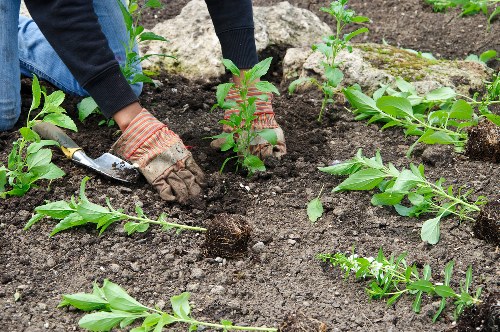
Borough approaches and local recycling activity
Across the local boroughs, waste separation systems typically cover dry recycling, food waste and garden/green waste streams. We align our practices with that approach: clear containers for green waste and wood, labelled sacks for mixed recyclables, and separate bins for compostable material. Light mentions of borough-level activity include seasonal garden waste collections and community composting hubs supported by Lambeth and neighbouring councils, which help process brown garden waste and reduce transport miles.Eco-friendly waste disposal area
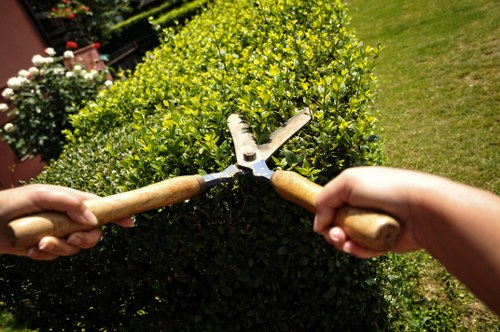
We design an on-site eco-friendly waste disposal area at each project to minimize contamination and maximise reuse. This area has dedicated bays and simple, visible signage so teams can separate:- Green/woody waste for chipping and composting
- Soils and turf retained separately for screening and re-use
- Dry recyclables such as plastics and cardboard that are taken to local transfer stations
Local transfer stations and processing pathways
We work with local transfer stations and household waste recycling centres (HWRCs) in the borough network. Materials that cannot be processed on-site are taken to approved transfer facilities where they are either routed to composting sites, wood processors or recycling centres. Where possible, waste is aggregated to reduce the number of deliveries; this is coordinated with borough scheduling and the operating windows of local transfer yards.Partnerships with charities and social enterprises are central to our reuse strategy. We collaborate with local community gardens, tool libraries and plant-sharing groups so surplus plants, pots and usable equipment are donated rather than discarded. We also support social enterprises that accept reclaimed timber and soil for community projects. These partnerships create local benefits and increase the proportion of materials that are reused within the neighbourhood.
Practical measures for a sustainable rubbish gardening area
Our on-site practices emphasise low-carbon operations and circular outcomes. Key practices include:- Source separation: segregate soils, compostables, timber and recyclables at the point of generation.
- On-site composting and chipping: where space and permissions allow, we compost and chip green waste to produce mulch and soil conditioner.
- Reuse first: donation of surplus materials to community groups before considering off-site disposal.
Low-carbon vans and transport optimisation
Our fleet transition is a cornerstone of emissions reduction. We operate electric vans for light loads and low-emission, Euro 6 or biodiesel-assessed vehicles for heavier trips where needed. Route optimisation software reduces mileage, and consolidated runs to transfer stations limit urban congestion. We also use e-cargo bikes for short trips inside the neighbourhood, further lowering our transport footprint.
Monitoring progress and community benefits
We monitor recycling rates, vehicle emissions and material flows to make data-led improvements. Targets and outcomes are used to refine the eco-friendly waste disposal area design, identify opportunities for increased local processing and expand charity partnerships. The result is stronger local circularity: more compost made locally, reclaimed timber finding new life in community builds, and fewer lorry journeys through Herne Hill.In summary, Gardeners Herne Hill and associated Herne Hill gardeners are building an integrated approach: ambitious recycling percentage targets, practical on-site disposal areas, coordinated use of borough transfer stations, active partnerships with charities and social enterprises, and a low-carbon fleet. Together these elements create a sustainable rubbish gardening area that benefits residents, supports local organisations and reduces the environmental impact of gardening projects across the neighbourhood.

