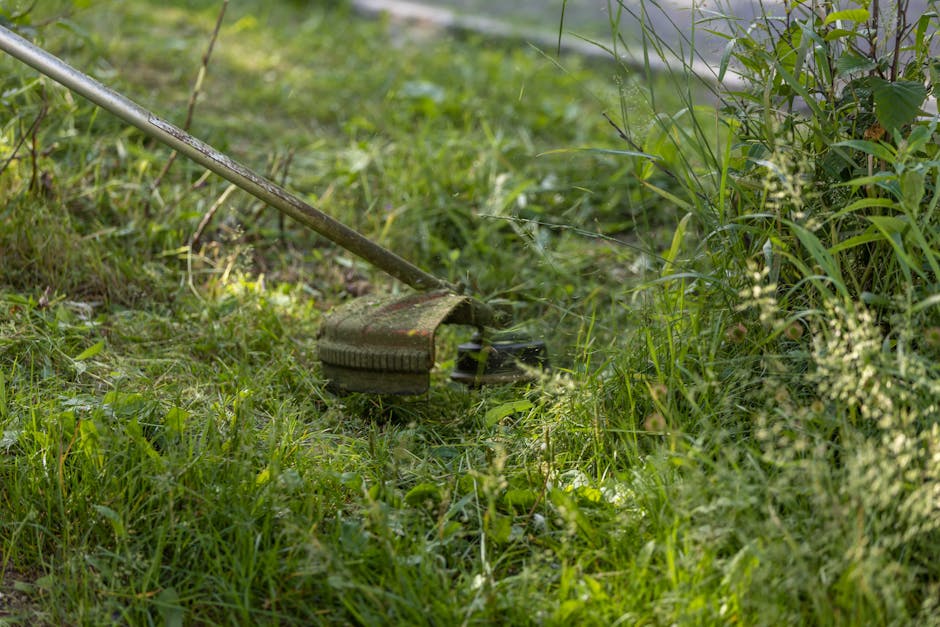
SE24 garden maintenance guide for Half Moon Lane homes
If you live near Half Moon Lane, you already know the garden can look brilliant one week and a bit tired the next. That is just London gardening for you. This SE24 garden maintenance guide for Half Moon Lane homes is designed to help you keep things tidy, healthy, and manageable without turning every weekend into a full-scale outdoor project. Whether you have a compact courtyard, a family garden, or a more established plot with mature planting, the basics are the same: regular upkeep, sensible seasonal planning, and a clear idea of what really needs doing now versus what can wait.
In practice, good garden maintenance is less about perfection and more about rhythm. A little and often usually works better than the frantic "we'll sort it all in April" approach. Let's face it, that rarely ends well.
In this guide, you will find a practical breakdown of how garden maintenance works in SE24, what Half Moon Lane homes often need, which tasks deliver the biggest visual payoff, and when it makes sense to bring in help. You will also get a straightforward checklist, a comparison table, and answers to the questions homeowners ask most often.
Table of Contents
- Why SE24 garden maintenance for Half Moon Lane homes matters
- How garden maintenance works in this part of SE24
- Key benefits and practical advantages
- Who this is for and when it makes sense
- Step-by-step guidance
- Expert tips for better results
- Common mistakes to avoid
- Tools, resources and recommendations
- Law, compliance, standards and best practice
- Options, methods and comparison
- Case study or real-world example
- Practical checklist
- Conclusion
- Frequently asked questions
Why SE24 garden maintenance guide for Half Moon Lane homes Matters
Half Moon Lane sits in an area where outdoor space often has to work hard. Many homes in SE24 have gardens that are visible from kitchens, side returns, patios, and upper-floor windows, so the difference between "reasonably kept" and "actually well maintained" is easy to spot. A neglected patch can quickly make an otherwise lovely home feel less cared for, while a tidy garden adds calm, space, and a better sense of order.
There is also the local reality of how gardens behave in London. Mild winters, bursts of spring growth, shaded corners, compact plots, and a fair amount of foot traffic all change how maintenance should be approached. A garden near Half Moon Lane may need more frequent hedge trimming, lawn mowing, weed control, leaf clearance, and border tidying than a bigger suburban garden with more breathing room.
Why does that matter? Because gardens rarely fail all at once. They slide. Slowly, then suddenly. One overgrown shrub leads to poor light, poor airflow, mossy paving, a weedy lawn, and then a long weekend lost to catch-up work. Regular maintenance breaks that cycle.
If your outdoor area is also part of the way you use the house, the stakes are even higher. A clean, functional garden becomes an extension of the living space. It is where people sit with coffee on a bright morning, where children kick a ball around for ten minutes, where you can breathe a bit easier after work. That everyday usefulness is the real value.
For households looking for a reliable ongoing approach, a structured garden maintenance service can keep those small jobs under control before they snowball.
How SE24 garden maintenance guide for Half Moon Lane homes Works
Good garden maintenance is a system, not a single task. It usually starts with an assessment of what is actually in the garden: lawn areas, hedges, beds, borders, paved spaces, trees, pots, decking, and any awkward side access. From there, the work is broken into repeatable tasks, scheduled by season and adjusted to the garden's pace of growth.
In SE24, that often means focusing on four broad areas:
- Soft landscaping care such as lawn mowing, edging, pruning, deadheading, and feeding.
- Hard-surface upkeep such as sweeping, weed removal, and clearing debris from patios or paths.
- Plant health including watering, mulch checks, and spotting pests or disease early.
- Containment so hedges, climbers, and trees do not start taking over the space.
The best maintenance plans are realistic. There is no point setting a schedule that only works for the first two weeks of the year. A lot of homeowners do better with a fortnightly or monthly visit for routine work, then a heavier reset at key times in spring and autumn.
One of the more useful distinctions is between maintenance and restoration. Maintenance keeps things steady. Restoration is what happens when the garden has slipped. If you are already dealing with a build-up of waste, heavy growth, or an overrun border, you may need a clearance first and then ongoing upkeep after that. In those cases, a one-off garden clearance can be the clean slate that makes long-term maintenance actually workable.
That is also where a more rounded approach helps. A simple tidy-up may solve the surface problem, but a thoughtful maintenance plan considers drainage, access, light levels, mowing patterns, and where growth is likely to get out of hand next. Small differences, but they matter.
Key Benefits and Practical Advantages
A well-maintained garden does more than look neat. It saves time, reduces stress, and usually costs less than repeated emergency fixes. That sounds obvious, but people overlook it all the time.
Here are the most practical benefits for Half Moon Lane homes:
- Better kerb appeal and home presentation. Even a modest front or rear garden feels more welcoming when edges are crisp and planting is controlled.
- Less work later. Regular mowing and pruning prevent those brutal overgrowth jobs that take twice as long as expected.
- Healthier plants. Airflow, proper cutting, and seasonal tidying can help reduce disease pressure and rot.
- Safer paths and surfaces. Leaves, algae, and moss can make paving slippery, especially in shaded SE24 gardens.
- More usable space. A clean lawn and uncluttered patio are simply more pleasant to sit in.
- Better planning for future improvements. Once the basics are under control, it is easier to think about new borders, screening, or structural changes.
There is a less obvious benefit too: confidence. When your garden is under control, you stop noticing the mess every time you open the back door. That matters more than people admit. It changes the mood of the house.
If you are considering longer-term changes as well as routine upkeep, it may be worth exploring landscaping or landscape gardening once the maintenance baseline is sorted.
Who This Is For and When It Makes Sense
This guide is for homeowners, landlords, tenants with garden responsibilities, and anyone trying to keep a small or medium SE24 garden looking presentable without constant firefighting. It is especially useful if your property near Half Moon Lane has a front garden that sets the tone for the house, or a rear garden that needs to do double duty as storage, seating, and play space.
It also makes sense if any of the following sound familiar:
- You keep meaning to tidy the garden but never quite get to the end of it.
- The lawn looks patchy or ragged because it is cut irregularly.
- The hedges have started to grow wider than you expected. Funny how that happens.
- Leaves, cuttings, and debris keep piling up after windy spells.
- You want the garden to be tidy for viewing, selling, renting, or entertaining.
- There are trees or large shrubs that need regular monitoring, not just an occasional trim.
For some households, a one-off tidy plus a seasonal plan is enough. For others, especially busy families or landlords managing a property between tenancies, structured ongoing support is the smarter option. If the area around the garden has decking, raised beds, or awkward corners, the maintenance workload climbs quickly. Details like that can easily be underestimated.
There is no shame in outsourcing the jobs you never enjoy. Not everyone wants to spend a Saturday on edging and hedge cutting. Life's too short.
Step-by-Step Guidance
Below is a practical way to approach garden maintenance in Half Moon Lane homes without overcomplicating it.
1. Start with a clear walkthrough
Walk the garden slowly and note what needs attention now, what can wait, and what is becoming a recurring issue. Look at the lawn, beds, hedges, fences, surfaces, and any trees or climbers. If you do this after rain, you will often spot drainage and slippery-surface issues more clearly.
2. Clear the obvious clutter first
Pick up fallen branches, broken pots, dead plant material, and anything that blocks access. You cannot maintain what you cannot reach. This is especially true in narrow side returns or small city gardens where every square foot matters.
3. Deal with the lawn
In most SE24 gardens, the lawn is the visual anchor. Keep it trimmed consistently, edge it cleanly, and avoid cutting too short in dry or stressed periods. If the grass has become uneven or very long, take it down gradually rather than aggressively. That simple bit of patience saves a lot of brown patches.
For many homes, professional lawn mowing is one of the easiest ways to keep the whole garden feeling tidy week after week.
4. Trim hedges and shrubs at the right time
Light, regular shaping is usually better than waiting until growth becomes awkward. Hedges that push into paths, driveways, or neighbouring boundaries should be kept under control. The aim is neat structure, not a harsh haircut. There is a difference, and plants do notice.
When growth becomes dense or uneven, hedge trimming helps restore shape, light, and airflow.
5. Keep beds and borders tidy
Weeds are easier to remove when small. Mulch helps suppress them, holds moisture, and gives borders a more finished look. Cut back tired perennials when needed, deadhead flowering plants, and remove any stems that are collapsing across paths.
6. Sweep and clean hard surfaces
Patios, decking, and paths collect leaves, mud, algae, and pollen. A quick sweep can prevent slippery buildup and keeps the space looking cared for. In damp shaded corners, a more thorough clean may be needed from time to time.
7. Check trees and larger plants
If you have mature trees or sizeable shrubs, keep an eye on overhanging branches, deadwood, and signs of stress. You do not need to panic over every leaf drop, of course, but heavy limbs, rubbing branches, or blocked light are worth addressing promptly. Larger growth often shapes the whole garden, so ignoring it tends to affect everything else.
Where tree work is more than a light trim, it may be appropriate to look at tree lopping and removal rather than trying to manage it piecemeal.
8. Finish with waste removal and a final check
Once the work is done, gather green waste, bag it or compost it appropriately, and walk the garden again. Ask yourself: does it look balanced? Is access clear? Are the main lines tidy from the house looking out? That final check is where small improvements become visible.
Expert Tips for Better Results
A few small habits make a surprisingly big difference over the year.
- Work from the edges inward. Borders, fences, and paths frame the garden. Clean edges make the rest look better instantly.
- Do little jobs before they become big ones. A five-minute weed pull now is better than a one-hour rescue later.
- Do not chase perfection in bad weather. Wet soil, heavy rain, or freezing mornings are not the time for stubborn gardening heroics.
- Leave room for regrowth. Cutting too hard can weaken shrubs and leave awkward gaps.
- Keep a seasonal rhythm. Spring and autumn are usually the moments when the biggest wins are available.
- Use a repeatable routine. The same steps each visit make maintenance more efficient and less mentally draining.
One useful trick for smaller SE24 gardens is to keep an eye on sightlines from inside the house. If the garden looks tidy from the kitchen window, you will usually feel better about it all day. A bit oddly satisfying, truth be told.
If you are managing maintenance yourself, it also helps to pair routine care with occasional specialist support. For example, combining day-to-day upkeep with advice from a professional team can prevent you from spending money on the wrong fix. That is where checking a provider's services overview can help you understand what level of support is actually available.
Common Mistakes to Avoid
Most garden problems are not dramatic. They are cumulative. A few avoidable mistakes cause most of the trouble.
- Cutting too much at once. This is a common lawn and hedge mistake. A big chop can stress plants and leave the garden looking harsh.
- Leaving waste piled up. Green waste left in bags or corners attracts mess and makes the space feel unfinished.
- Ignoring shaded areas. Moss and weeds love low-light spots. They need active attention, not just hope.
- Forgetting seasonal timing. Some pruning and cutting jobs are better done at specific times, especially where flowering plants are concerned.
- Using the same plan all year. Winter maintenance is not the same as summer maintenance. If you treat it like it is, the garden will show you pretty quickly.
- Overlooking access and safety. Narrow steps, slippery paving, and hidden trip hazards are easy to miss when you are focused on the plants.
Another mistake is trying to do every task at once when the garden has slipped badly. That usually ends in tired arms, half-finished bags, and a sense of defeat. Better to break it down. Small win, then next small win.
Tools, Resources and Recommendations
You do not need a van full of equipment to maintain a Half Moon Lane garden properly. But the right basic kit makes everything smoother.
| Task | Useful tools | What to watch for |
|---|---|---|
| Lawn care | Lawnmower, edging tool, rake | Avoid scalping grass; keep blades reasonably sharp |
| Hedge trimming | Hand shears, hedge trimmer, ladder if safe and appropriate | Work carefully around birds, branches, and uneven ground |
| Border maintenance | Fork, trowel, gloves, secateurs | Remove weeds while small; do not disturb roots unnecessarily |
| Surface cleaning | Broom, stiff brush, bucket, gentle cleaner | Be cautious with slippery paving and decking |
| Waste management | Green waste bags, bins, compost area | Do not overload bags or block access routes |
For more involved work, many homeowners prefer to use a professional team rather than buying specialist tools they will only use a few times a year. That is often sensible, especially for pruning at height, heavy clearance, or regular upkeep after a reset.
If sustainability matters to you, ask how cuttings and waste are handled. Responsible disposal and recycling are part of good garden care, not an optional extra. You can also read more about recycling and sustainability practices if you want the bigger picture.
Law, Compliance, Standards and Best Practice
Garden maintenance is not usually a heavily regulated activity in the way construction or electrical work is, but there are still sensible standards to follow. In the UK, basic best practice is about safety, neighbour consideration, and working carefully with living plants and waste.
For example, if trees are shared, protected, or close to boundaries, it is wise to be cautious before any major cutting. If there is doubt, check ownership and responsibility first. The same goes for hedges or branches that cross into neighbouring spaces; these situations are often better handled calmly and with clear communication than with assumptions.
Health and safety matters too. Proper footing, stable ladders where needed, secure tool handling, and sensible weather judgement all reduce risk. Wet paving, hidden slopes, and overgrown corners can catch people out faster than they expect. Garden work looks gentle from a distance. Up close, it can be awkward.
Professional providers should also have clear processes around safety and insurance. If you are comparing services, it is fair to ask about their approach to risk management and working practices. A reputable company should be able to explain how it handles site safety and why that matters. If you want to understand those standards in plain English, the pages on health and safety policy and insurance and safety are useful starting points.
In short: do the work carefully, respect boundaries, and do not treat plant care as a rush job. Good maintenance is steady, not reckless.
Options, Methods and Comparison
Homeowners in SE24 usually choose one of three approaches. Each has its place.
| Approach | Best for | Pros | Trade-offs |
|---|---|---|---|
| DIY maintenance | Small, simple gardens and confident hands-on owners | Low direct cost, flexible timing, personal control | Time-consuming, easy to miss seasonal tasks, equipment needed |
| One-off tidy and reset | Overgrown gardens, pre-sale preparation, seasonal catch-up | Fast improvement, clears backlog, creates a fresh starting point | Does not maintain results unless followed up |
| Ongoing professional maintenance | Busy households, rental properties, larger or more complex gardens | Consistent results, less stress, fewer forgotten jobs | Recurring spend, needs trust and clear scheduling |
The right choice depends on time, confidence, and the condition of the garden. A lot of people actually use a blend: they handle light day-to-day jobs and bring in help for heavier tasks or seasonal resets. That is often the sweet spot.
If a garden needs structural changes, screening, new layouts, or improved usability, maintenance may only be the first stage. In those cases, broader landscaping can be a better long-term investment than repeated patchwork fixes.
Case Study or Real-World Example
Here is a realistic example. A Half Moon Lane homeowner has a compact rear garden with a narrow lawn, two mature shrubs, a small patio, and a hedge along the back boundary. It looked fine in spring, then drifted into a tired mess by late summer. The lawn had become uneven, the hedge was spilling over, and the patio had a thin layer of green slickness after several damp weeks.
Rather than treating it as one giant job, the work was split into stages:
- First visit: clear waste, sweep the patio, cut back the worst overgrowth, and lift the lawn carefully.
- Second visit: shape the hedge, tidy the shrub line, edge the lawn, and remove persistent weeds from the borders.
- Ongoing visits: mow regularly, keep edges sharp, and check for new growth every few weeks.
The result was not dramatic in a flashy way. It was better than that. The garden became usable again. The patio felt dry and safe underfoot. The lawn looked deliberate instead of accidental. The homeowner stopped dreading the view from the back door, which is often the real win.
That kind of transformation is common when the approach is practical rather than overcomplicated. A garden does not need to be perfect to feel good. It just needs to be cared for properly.
Practical Checklist
Use this as a simple maintenance prompt for Half Moon Lane homes.
- Check the lawn for length, patchiness, and uneven growth.
- Trim or shape hedges before they block light or paths.
- Remove weeds from beds, borders, patios, and paving cracks.
- Sweep leaves, petals, and debris from hard surfaces.
- Inspect trees and large shrubs for deadwood or overreach.
- Water containers and young plants when conditions are dry.
- Feed or mulch where the soil looks tired or bare.
- Clear waste promptly so it does not sit around the garden.
- Review the garden after wet weather for slippery areas.
- Decide whether the space needs ongoing care, a one-off reset, or both.
Expert summary: For SE24 homes near Half Moon Lane, the best garden maintenance plan is usually the one you can keep up with. Simple routines, seasonal attention, and timely cutting do more good than occasional heroic effort.
Conclusion
A well-kept garden in SE24 does not happen by accident. It happens through regular attention, sensible timing, and a clear understanding of what your space actually needs. For Half Moon Lane homes, that usually means staying on top of lawn mowing, hedge trimming, border care, waste removal, and seasonal tidying before small jobs turn into a backlog.
Whether you manage everything yourself or prefer help with the heavier lifting, the goal is the same: a garden that feels calm, usable, and looked after. Not fussy. Not overdone. Just properly cared for.
If you are weighing up your next step, it can help to review the available pricing and quotes options and compare them against the time and effort you would rather spend elsewhere.
Get a free quote today and see how much you can save.
And honestly, once a garden starts feeling manageable again, everything else at home tends to breathe a little easier too.
Frequently Asked Questions
How often should a Half Moon Lane garden be maintained?
Most gardens in SE24 benefit from light, regular attention rather than occasional big clear-ups. Lawns may need weekly or fortnightly care in the growing season, while hedges, borders, and surfaces usually need checking every few weeks.
What is included in garden maintenance?
Garden maintenance often includes lawn mowing, edging, hedge trimming, weed removal, pruning, sweeping, light leaf clearance, and general tidy-up work. The exact mix depends on the garden's size, layout, and condition.
Is garden maintenance the same as garden clearance?
No. Garden maintenance is ongoing care. Garden clearance is usually a more intensive one-off job to remove built-up waste, overgrowth, or years of neglect before regular upkeep begins.
Can I maintain a small SE24 garden myself?
Yes, many small gardens are manageable with a simple routine and basic tools. The main challenge is consistency. If your schedule is busy, a professional helping hand can keep things from sliding.
When is the best time to trim hedges?
That depends on the hedge type and its growth pattern. In general, light trimming during the growing season is common, but heavy cutting should be timed carefully so you do not damage the plant or disturb nesting birds.
How do I keep a garden tidy between visits?
Focus on the high-impact tasks: pick up debris, sweep paths, pull obvious weeds, and keep the lawn from getting too long. A few minutes here and there often makes the whole garden feel better.
What should I do if my garden has become overgrown?
Start with a clearance approach rather than trying to do everything in one go. Remove waste, restore access, and then create a maintenance schedule so it does not become overwhelming again.
Are there safety issues with garden maintenance?
Yes. Wet paving, unstable ladders, sharp tools, uneven ground, and overgrown areas can all create hazards. If a task feels awkward or risky, it is sensible to get help from someone equipped for it.
Do I need professional help for tree work?
If a tree is large, awkwardly placed, or showing signs of damage, professional assessment is a safer choice. Small decorative pruning is one thing; more complex work is another.
How do I choose between mowing, trimming, and landscaping?
Mowing and trimming are maintenance tasks that keep the garden under control. Landscaping is broader and usually involved when you want to change the structure, layout, or function of the space.
What is the most overlooked part of garden upkeep?
Probably waste removal and final inspection. People do the cutting and tidying, then leave the cuttings or miss a slippery patch. That last ten percent makes a bigger difference than it seems.
How do I find out more about the company's approach?
It is sensible to look at company information about services, safety, and working standards before booking. Pages such as about us and contact us can help you understand who you are dealing with and how to start the conversation.