Gardeners for Dulwich Road properties expert local tips
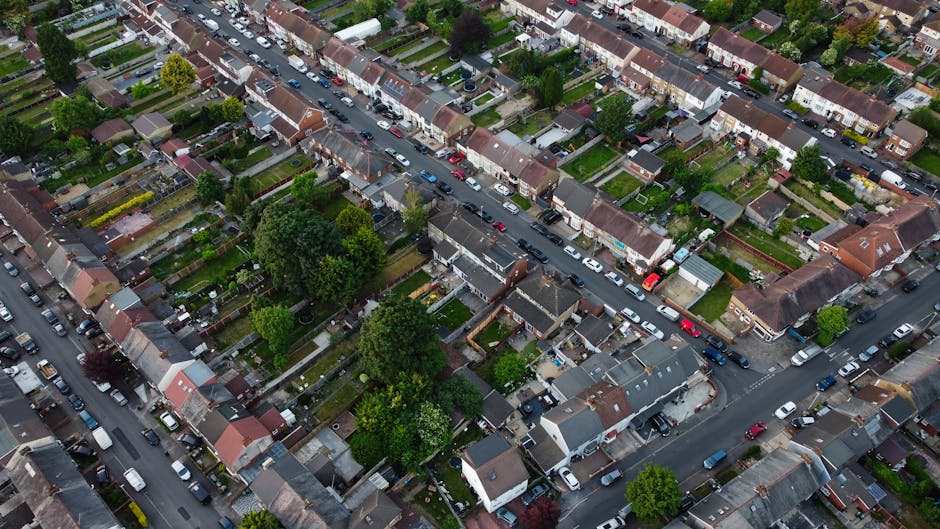
If you own, rent, or manage a property on Dulwich Road, you already know the garden can be a blessing and a bit of a headache. Narrow front plots, shaded back gardens, awkward access, mature hedging, and the usual London mix of privacy concerns and limited storage all shape what good gardening looks like. This guide on Gardeners for Dulwich Road properties expert local tips is designed to help you make smarter choices, avoid common mistakes, and get better long-term results without wasting time or money.
Whether you need regular upkeep, a one-off clear-out, or help planning a more usable outdoor space, the trick is the same: work with the layout you have, not the garden you wish you had. That sounds obvious, but in practice it makes all the difference. A little local knowledge goes a long way.
In the sections below, you'll find practical advice for maintenance schedules, seasonal tasks, property-specific considerations, service comparisons, and a realistic checklist you can actually use. We'll also point you to useful service pages like the full services overview, garden maintenance support, and clear pricing and quote guidance where it helps to plan the next step.
Expert summary: For Dulwich Road properties, the best garden results usually come from a simple formula: regular maintenance, sensible planting, tidy boundaries, and a design that respects light, access, and privacy. Fancy is nice. Reliable is better.
Why Gardeners for Dulwich Road properties expert local tips Matters
Dulwich Road properties often need a more thoughtful gardening approach than a standard suburban garden. The mix of older homes, varied plot sizes, street-facing boundaries, and shaded or enclosed rear spaces means one-size-fits-all advice usually falls flat. A garden that looks good in a brochure can behave very differently once you live with it through rain, frost, summer growth, and the daily reality of bins, bikes, pets, and people coming and going.
Local tips matter because they help you work with the practical conditions around your property. For example, a hedge that looks neat in May can become a privacy problem by August. A lawn that copes fine in spring may thin out if it's too shaded or compacted. A paved side return can quickly become slippery with moss if nobody stays on top of it. These are small things, but small things add up.
There's also a curb appeal angle. For many Dulwich Road properties, the front garden or boundary planting is the first thing visitors notice. If it is overgrown, patchy, or inconsistent, the whole property can feel less cared for. On the other hand, tidy edges, balanced planting, and clean hard surfaces create that quiet, well-kept look people notice straight away. Not flashy. Just good.
And let's be honest, most people do not want gardening to become a second job. They want it to look right, feel manageable, and stay healthy without constant firefighting. That is exactly where local expertise pays off.
How Gardeners for Dulwich Road properties expert local tips Works
Good local gardening work starts with observation. Before anyone lifts a spade, they should be looking at light, drainage, access, boundaries, soil condition, existing planting, and how you actually use the space. The best gardeners do not rush past that part. They ask simple questions and then notice the details most people miss.
In practice, the process often looks like this:
- Assess the garden's current condition. This includes overgrowth, weak areas, damaged plants, uneven edges, and any issues with drainage or soil compaction.
- Work out the maintenance level you want. Some gardens need weekly attention; others need seasonal care and a few structural improvements.
- Match the work to the property. A compact front garden on Dulwich Road may benefit from sharper shaping and low-maintenance planting, while a rear garden might need clearance, lawn recovery, or better layout.
- Choose the right services. This could mean lawn mowing, hedge trimming, garden clearance, or more involved landscaping.
- Set a realistic schedule. Gardens in London change quickly in spring and early summer, then slow down later in the year. Timing matters more than most people expect.
The real value is consistency. A garden left untouched for three months rarely needs one heroic tidy-up. It usually needs a calmer, staged approach. Trim, clear, restore, then maintain. Simple idea, but it saves a lot of frustration.
We often find that clients are happiest when the work is planned around actual use: do you need a garden that is child-friendly, pet-friendly, easy to sweep, private from the street, or simply tidy enough to enjoy with a cup of tea after work? Once that is clear, the rest becomes easier to decide.
Key Benefits and Practical Advantages
There are some obvious benefits to hiring local gardening support, but the less obvious ones are often the most valuable.
- Better matching of plant choices to site conditions. Not every plant enjoys shade, reflected heat, poor soil, or constant foot traffic. A local gardener can steer you away from expensive mistakes.
- More manageable maintenance. The garden becomes easier to keep on top of when the structure is right from the start.
- Improved privacy and boundary control. Especially useful on residential roads where overlooking and front-garden visibility can be an issue.
- Healthier lawns and hedges. Regular care prevents the "looks fine from the window, awful up close" problem. You know the one.
- Better use of limited space. A small garden can still feel generous if it is laid out well.
- Reduced waste and repeat work. Sorting things properly the first time is nearly always cheaper than correcting rushed work later.
There is also a lifestyle benefit. A tidy, usable garden changes how you feel about the property. In late afternoon, when the light softens and you can actually sit outside without staring at a thicket of weeds, it just feels better. That matters.
For households considering regular upkeep, combining routine care with a broader seasonal plan often works best. If you want a steady standard rather than occasional rescue jobs, garden maintenance is usually the most efficient route.
Who This Is For and When It Makes Sense
This kind of local gardening support makes sense for more people than you might think. It is not only for large gardens or ambitious redesign projects. Sometimes it is simply about keeping a place under control without turning weekends into catch-up time.
You may benefit if you are:
- a homeowner who wants the garden to stay neat year-round
- a landlord preparing a property for tenants or inspections
- a tenant with permission to improve an outdoor area and keep it manageable
- an older resident who wants dependable help with the heavier jobs
- a busy family juggling a lawn, hedges, weeds, bins, and not enough hours in the week
- someone planning a better layout for entertaining, storage, or everyday use
It also makes sense if your garden has drifted into that awkward stage where you can no longer tell whether it needs pruning, clearing, mowing, or redesigning. Truth be told, that is one of the most common situations. The answer is often a blend of services rather than one single fix.
If the area has become cluttered with old pots, broken fencing, cuttings, or unwanted growth, garden clearance can reset the space before maintenance starts. If the basic structure is sound but the look feels tired, then light landscape improvements may be enough.
Step-by-Step Guidance
Here is a practical way to approach gardening for a Dulwich Road property without overcomplicating it.
1. Start with what is actually causing the problem
Be specific. Is it the lawn, the hedge, the access path, the back corner, or the whole place? A vague brief usually leads to vague results. A precise brief gives you a better plan and fewer surprises.
2. Separate urgent work from improvement work
Urgent work includes overgrowth, blocked access, unsafe branches, slippery surfaces, and anything that is getting worse week by week. Improvement work includes planting changes, edging, shaping, and layout changes. Put them in the right order.
3. Decide what should stay and what should go
People often keep plants or features out of habit, not because they are useful. If a shrub blocks light, a hedge crowds a path, or a tired border adds no value, it may be time to simplify. Gardens breathe better once the clutter is reduced.
4. Choose a maintenance rhythm
A small front garden might need frequent light attention, while a bigger rear garden may do fine with deeper sessions at longer intervals. The rhythm should fit your life, not the other way round.
5. Finish with detail work
Edges, sweeping, tidy finishes, and waste removal are not cosmetic extras. They are the bits that make the whole job feel properly done. Skipping them is like washing a car and leaving the windows streaky. Almost there, but not quite.
If you are comparing service options, it is worth browsing the services overview to understand how maintenance, clearance, lawn care, hedge work, and landscaping fit together. Different gardens need different combinations. Very rarely just one thing.
Expert Tips for Better Results
Here is where local experience really earns its keep.
Tip 1: Pay attention to light before planting anything new. Many London gardens sit in partial shade for long periods. A plant that thrives in one corner may sulk in another. If a garden gets only a few hours of direct light, choose accordingly.
Tip 2: Keep boundaries neat. On residential roads, hedges and fences shape the whole feel of the property. Regular trimming creates cleaner lines and reduces the "wild and untidy" effect that can happen surprisingly quickly.
Tip 3: Do not overfill small spaces. A compact garden feels larger when there is a bit of breathing room. Too many plants, ornaments, or features can make it feel cramped.
Tip 4: Use hard surfaces to support function. If there is a patio, path, decking area, or side return, keep it clean and integrated with the planting. For some gardens, decking services can create a practical seating area that reduces muddy, wasted ground.
Tip 5: Treat hedges and lawns as ongoing assets. They are not one-off jobs. If they are neglected, the rest of the garden often suffers with them.
Tip 6: Think seasonally, not emotionally. It is easy to react to a burst of growth after one warm week and then overcut everything. Better to trim carefully and keep the plant healthy than to give it a dramatic haircut it did not ask for. Plants do not enjoy surprises, as a rule.
Tip 7: Clear before you redesign. If a garden is cluttered, overgrown, or half-used, clean it up first. Clear ground tells you what you really have to work with.
Common Mistakes to Avoid
Even decent gardens can go off-track because of a few avoidable habits.
- Letting hedges get too wide. A hedge that is trimmed little and often is far easier to manage than one cut back hard after months of growth.
- Ignoring drainage and soil condition. If water sits after rain or the soil is compacted, new planting may struggle no matter how nice it looks at first.
- Choosing plants for appearance only. The most attractive plant is not always the right one for a shaded, dry, or exposed spot.
- Using the wrong mower pattern or cutting height. Lawns need consistency, not stress. Scalp them and you invite weeds, patchiness, and annoyance.
- Leaving clearance too long. Once cuttings and debris build up, the job gets harder, not easier.
- Assuming all garden work is interchangeable. It is not. A general tidy-up is different from structured hedge work or a full redesign.
One common problem on Dulwich Road properties is trying to make a small garden do too many things at once: storage, dining, play space, visual planting, and privacy screening. It can work, but only if the layout is carefully balanced. Otherwise it becomes a cluttered compromise.
If a garden has become too difficult to recover in one go, start with a measured clear-out and then rebuild the maintenance rhythm. That is usually less stressful than trying to do everything in one weekend and regretting it by Sunday evening.
Tools, Resources and Recommendations
You do not need a van full of kit to keep a garden in good shape, but the right tools make the job easier and safer.
- Sharp secateurs and loppers: for clean pruning cuts on smaller stems and thicker growth.
- Reliable mower: especially if the lawn is a key feature and you want a clean finish.
- Hedge trimmer: useful for keeping formal boundaries neat and level.
- Rake and garden waste bags: for clear-downs after pruning or mowing.
- Gloves and sturdy footwear: basic, but worth saying. Thorny shrubs and uneven ground are not forgiving.
- Pressure or manual cleaning approach for hard surfaces: to keep paths, patios, and steps from becoming slick or dull.
For larger or more awkward jobs, professional support is often worth it. The same goes for high hedges, difficult access, or work involving bigger tree structure. If branches are overextended or posing a risk, it is sensible to look into tree lopping and removal rather than hoping the issue will quietly sort itself out. It usually doesn't.
For ongoing upkeep, a structured approach works better than ad hoc effort. That is where lawn mowing support, hedge care, and general maintenance can combine to keep everything looking intentional rather than patchy.
Law, Compliance, Standards, or Best Practice
For garden work in residential areas, the main thing is to stay sensible, safe, and considerate. You do not need to turn gardening into a legal exercise, but there are practical standards worth following.
Safety and access: Any work involving ladders, power tools, heavy lifting, or overgrown areas should be approached carefully. Good contractors should work in line with their own safety processes and insurance arrangements. If you are comparing providers, it is reasonable to ask about these details before work begins. It is just good practice.
Waste handling: Green waste, soil, timber, and mixed garden debris should be separated and removed responsibly where possible. Responsible disposal is part of professional service, not an afterthought. If sustainability matters to you, it is worth asking how waste is handled and whether materials are being recycled where appropriate. You can also review the company's recycling and sustainability approach for reassurance.
Neighbour consideration: On a road like Dulwich Road, noise, access, and overhanging growth can affect neighbours. Keep hedges, branches, and boundary planting in check, and try to schedule noisier work at reasonable times. Nothing dramatic. Just being decent about it goes a long way.
Service terms and payment clarity: Before booking work, it helps to understand what is included, when payment is due, and how any changes are handled. That avoids confusion later. The same applies to privacy and site information, so if you want to read the details, the company's terms and conditions and privacy policy are useful references.
For larger projects, check that the work plan is clear, the scope is understood, and any risks are discussed in plain English. That may sound basic, but it prevents most headaches before they start.
Options, Methods, or Comparison Table
Different gardens need different approaches. Here is a simple comparison to help you choose the right route.
| Approach | Best for | Strengths | Watch-outs |
|---|---|---|---|
| Routine maintenance | Gardens that are already in decent shape | Keeps everything tidy, predictable, and manageable | May not fix deeper problems like poor layout or overgrown structure |
| Garden clearance | Overgrown or neglected spaces | Fast reset, removes clutter, reveals the real space | Needs follow-up maintenance or the problem returns |
| Hedge trimming and lawn care | Properties where boundaries and grass define the look | Strong visual improvement, neat street presence | Must be done regularly to stay effective |
| Landscape gardening | Spaces that need redesign or better usability | Can improve flow, structure, and long-term value | Needs planning and a clear brief |
| Decking or hard landscaping support | Gardens needing usable seating or easier access | Helps create structure and reduce muddy areas | Requires careful design so it does not overwhelm the garden |
To be fair, many properties end up using a mix of these. A front hedge might need trimming, the rear garden may need clearance, and the back corner may benefit from a small redesign. That is normal, not a sign that the garden is failing.
If you are unsure which method fits best, starting with a site review and a clear service conversation is often the smartest move. The aim is not to do more work for the sake of it. It is to do the right work first.
Case Study or Real-World Example
Imagine a Dulwich Road terrace with a modest front garden and a rear space that has gradually become a mixed bag: a patchy lawn, a hedge leaning into the path, a few tired shrubs, and cuttings left from previous attempts to tidy things up. Nothing catastrophic. Just a garden that has slipped into neglect by degrees.
The first sensible move is not redesign. It is reset.
In a practical sequence, a gardener might clear debris, trim the hedge back to a sensible line, remove dead growth, and mow or renovate the lawn depending on its condition. Once the space is readable again, it becomes much easier to decide what to keep. Maybe the lawn stays, but only after aeration and better edging. Maybe one border is replanted with lower-maintenance shrubs. Maybe the side return gets cleaner paving and a simpler layout so it stops trapping damp leaves.
The change is often not dramatic in the glossy-magazine sense. It is more useful than that. The garden starts to feel lighter, easier to cross, and easier to enjoy. And the best part? Maintenance becomes straightforward because the structure is no longer working against you.
That sort of result is exactly why local, property-aware gardening matters. A garden does not have to be perfect. It just has to make sense for the way you live.
Practical Checklist
Use this checklist before booking work or starting a DIY reset.
- Check whether the main issue is clearance, maintenance, layout, or all three
- Look at light levels through the day, especially in back gardens
- Inspect hedges, boundaries, and anything blocking access
- Note areas where water pools after rain
- Decide which plants are staying and which are adding clutter
- Identify any lawn damage, moss, or bare patches
- Consider whether the garden needs a reset before ongoing upkeep
- Think about privacy from the street or neighbouring windows
- Separate usable features from decorative ones
- Confirm how green waste and debris will be removed
- Check whether you need routine care, a one-off tidy, or a redesign discussion
- Review service scope and pricing before work starts
If you can tick most of those off, you are in a much better position to get a result that lasts.
Conclusion
For Dulwich Road properties, the best gardening advice is usually the most grounded advice: understand the space, work with its conditions, and keep the maintenance realistic. A good garden is not just one that looks tidy on the day of the visit. It is one that stays manageable next week, next month, and through the seasons.
That is why a local, property-aware approach matters so much. It helps you choose the right level of care, avoid wasted effort, and create a space that feels calm rather than constant. Whether you need a clean-up, regular upkeep, or a more thoughtful redesign, the smartest results come from clear priorities and steady follow-through.
If you are ready to plan the next step, explore the relevant service options, review the details, and choose the path that fits your garden rather than forcing the garden to fit a generic plan. It really can be simpler than it first seems.
Get a free quote today and see how much you can save.
And if you do nothing else this week, start with the obvious corner of the garden first. Funny how that one change can make the whole place feel less heavy.
Frequently Asked Questions
What do gardeners for Dulwich Road properties usually help with?
They commonly help with garden maintenance, hedge trimming, lawn mowing, garden clearance, planting advice, and layout improvements. For many properties, the work is a blend of upkeep and practical problem-solving rather than one single task.
How often should a garden on Dulwich Road be maintained?
That depends on the size of the garden, how much light it gets, and how quickly it grows. Some gardens need weekly or fortnightly attention in the growing season, while others do well with more seasonal visits and occasional tidy-ups.
Is garden clearance worth doing before maintenance?
Yes, if the space is cluttered or overgrown. Clearance gives you a clean starting point, so maintenance becomes more effective and less frustrating. Otherwise you can end up trimming around problems instead of solving them.
What is the difference between gardening and landscaping?
Gardening usually refers to ongoing care such as mowing, pruning, weeding, and planting. Landscaping is broader and may include changing the structure of the space, hard surfaces, borders, drainage, or larger design work.
Can a small Dulwich Road garden still look good with low maintenance?
Absolutely. In fact, small gardens often benefit most from a simple, disciplined design. Fewer plant types, cleaner edges, and a clear layout usually create a smarter result than trying to pack in too much.
How do I know whether my hedge needs trimming or full reduction?
If the hedge is only getting a bit wide or untidy, trimming is usually enough. If it has become too tall, too dense, or is blocking light and access, a more substantial cut back may be needed. A proper assessment helps here.
What should I ask before booking a gardener?
Ask what is included, how waste is handled, whether the work needs one visit or several, and how pricing is structured. If the job involves larger risks or heavy work, it is also sensible to ask about insurance and safety processes.
Are lawns difficult to keep healthy in London gardens?
They can be, especially in shaded or compacted areas. Regular mowing, sensible cutting height, occasional aeration, and avoiding overwatering or scalping make a big difference. The lawn often tells you more than people realise.
Can garden work be split into stages?
Yes, and sometimes that is the best way to do it. A common approach is clearance first, then key repairs or reshaping, followed by regular maintenance. Staging the work can make it easier to budget and easier to live through.
What if my garden is too messy to know where to start?
Start with what blocks access, what looks unsafe, and what is clearly dead or broken. Then move to the biggest visual issues, such as hedges, lawns, and debris. You do not need to solve everything on day one. A calm reset is usually enough.
How do I keep a garden private without making it feel closed in?
Use layered planting, sensible hedge heights, and careful boundary shaping rather than walling everything off. The aim is to soften sightlines while keeping light and openness. It is a balancing act, but a good one.
Where can I find more information about services and next steps?
You can review the services overview, check pricing and quote information, or learn more about the company background before deciding what fits best.
A well-kept garden does not have to be complicated. It just needs the right attention at the right time, and a bit of local common sense. That's the real secret, if there is one.