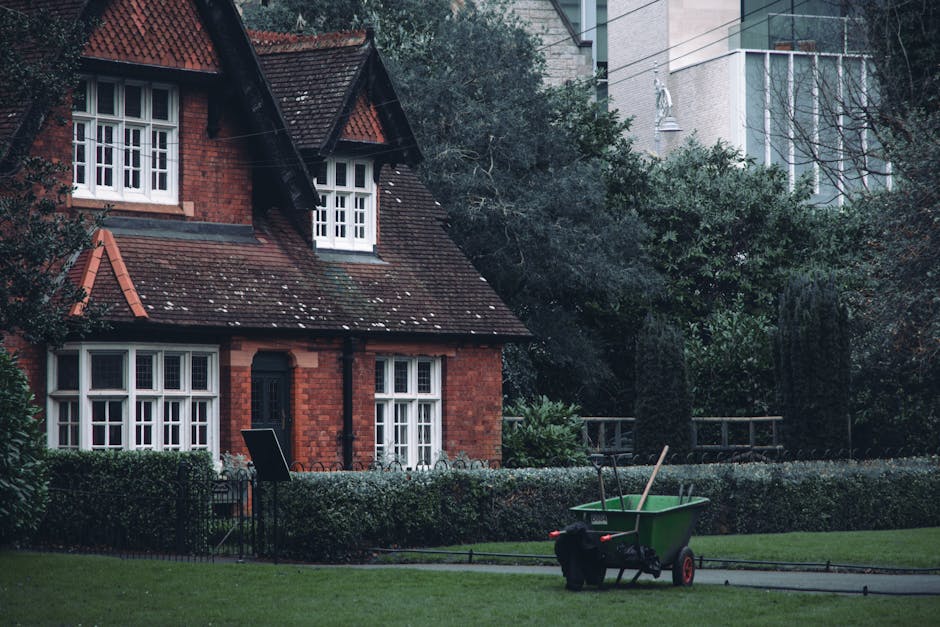
Best gardeners for Brockwell Park terraces and front gardens
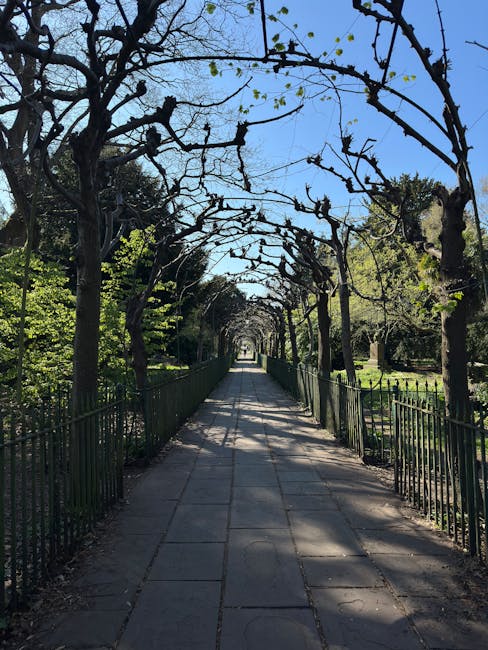
If you live near Brockwell Park, you already know the charm of the area: leafy streets, compact front gardens, small terraces that need a bit of imagination, and outdoor spaces that have to work hard in every season. Finding the best gardeners for Brockwell Park terraces and front gardens is not just about keeping things tidy. It is about choosing someone who understands the pace of London living, the limits of a narrow frontage, the quirks of shaded borders, and the need for a garden that looks good without becoming a weekend job you dread.
To be fair, a lot of garden problems in this part of London are pretty ordinary on their own, but together they become surprisingly tricky: a path that slips in winter, hedges that swallow light, lawns that thin out under foot traffic, or planting that looks lovely in May and messy by August. This guide breaks down what good local gardening support should include, how to choose it, and what results you can realistically expect.
Whether you want a neat front garden, better kerb appeal, or a terrace that feels calm rather than cluttered, you will find practical guidance here. There is no magic formula. Just sensible decisions, good maintenance, and a gardener who knows what works in a real urban setting.
Why Best gardeners for Brockwell Park terraces and front gardens Matters
Terraces and front gardens around Brockwell Park tend to be seen first and used often. That makes them different from larger back gardens where a little unevenness can hide itself for a while. Front spaces need to feel welcoming. Terraces need to feel liveable. And both usually need a gardener who can work neatly, quickly, and with some judgement.
The best gardeners for this kind of space bring more than tools. They bring an eye for proportion. A front garden can be transformed by a sharper hedge line, a cleaner edge, and planting that does not fight the path or railings. A terrace can go from cramped to calming with pruning, container planning, and a bit of structure. Tiny changes, sometimes. But they add up fast.
This matters because small gardens punish careless work. Cut a hedge too hard and the frontage can look bare for months. Mow too aggressively and the lawn may stay patchy. Clear too much at once and the space loses its softness. Good gardeners know where the line is. And that line is not always obvious from the outside.
There is also the practical side. Many local homes have limited storage, narrow access, shared pathways, or parking that makes equipment handling awkward. That means a gardener needs to be organised, respectful, and used to working in tight spaces without making a fuss about it. Honestly, that alone saves people a lot of stress.
How Best gardeners for Brockwell Park terraces and front gardens Works
The process usually starts with understanding the space rather than jumping straight into cutting or planting. A good gardener will look at light levels, drainage, visibility from the street, soil condition, plant health, and how you actually use the space. That first step matters more than people think.
For terraces, the job often focuses on structure and manageability. That might mean container maintenance, pruning climbers, improving soil, refreshing seasonal planting, and keeping hard surfaces free of debris. For front gardens, the emphasis is often on presentation, access, and low-maintenance design. You want the space to look cared for in February, not only when everything is in bloom.
In many cases, the work is split into one-off improvements and ongoing upkeep. One-off jobs could include clearing overgrowth, reshaping borders, restoring a lawn, or reworking the layout. Ongoing visits might cover mowing, hedge trimming, seasonal pruning, deadheading, and checking that planting remains tidy. If you already have a service schedule in mind, browsing a provider's services overview can help you see how the pieces fit together.
A strong local gardener will also think ahead. For example, if a front garden gets blasted by wind off the street, they may choose sturdier plants and protect young shrubs. If a terrace receives late afternoon shade, they may favour foliage-heavy planting rather than flowers that struggle in lower light. That sort of decision is what separates a neat patch from a garden that actually behaves itself.
Key Benefits and Practical Advantages
The obvious benefit is a better-looking garden. But let's not stop there. A well-kept front garden can improve first impressions, make the entrance feel safer and calmer, and reduce the nagging sense that the house is always one weekend behind. On a terrace, smart maintenance can create a space that feels bigger than it is. Which is the whole point, really.
Here are some of the most useful advantages:
- Better kerb appeal: clean lines, healthy planting, and a space that looks looked after.
- Less ongoing effort: regular maintenance prevents jobs becoming bigger and more expensive later.
- Safer access: fewer slippery leaves, overgrown paths, and trip hazards near the entrance.
- Improved plant health: pruning, feeding, and correct watering patterns reduce stress on plants.
- More usable space: a terrace can feel calm rather than crowded when clutter is controlled.
- Better seasonal rhythm: the garden stays presentable all year, not just in peak summer.
There is a quieter advantage too: peace of mind. You stop wondering whether the front hedge has become a nuisance. You stop noticing the same dead patch every time you open the door. These little things matter on a rainy Tuesday morning when you are already juggling enough.
For many households, the best gardeners also help with broader outdoor improvements such as garden maintenance, lawn mowing, and hedge trimming. Those services are especially useful when the space needs both neatness and consistency.
Who This Is For and When It Makes Sense
This kind of gardening support is a good fit for anyone whose outdoor space is visible, compact, or a bit difficult to keep in shape alone. If you own a period terrace, rent a flat with a small front plot, manage a shared entrance garden, or simply want the house to look tidier from the street, it makes sense.
It also makes sense if you are not trying to redesign everything. Some people want a full transformation. Others just want the job done properly. Truth be told, many Brockwell Park homes only need steady, thoughtful care rather than a dramatic overhaul.
You may especially benefit from professional help if:
- your front garden has become overgrown or patchy
- your terrace needs structure, not just plants
- you want planting that suits shade, wind, or limited soil depth
- you need regular upkeep but do not want to spend every spare hour on it
- you have hedges, climbers, or mature shrubs that need careful handling
- you are preparing to sell, let, or simply refresh the property
It also helps if you are facing one of those annoying in-between states: not quite a full clearance, not quite a full redesign. In that case, a gardener who offers garden clearance alongside maintenance can be a practical choice. One tidy visit can reset the whole space. A very satisfying thing, actually.
Step-by-Step Guidance
If you are deciding how to approach your terrace or front garden, it helps to think in stages rather than trying to fix everything at once. That usually leads to better results and fewer regrets.
- Walk the space slowly. Notice what is overgrown, what looks tired, where water collects, and which parts you actually use.
- Define the goal. Is the priority neatness, lower maintenance, better planting, or a smarter first impression?
- Identify structural issues. Check for broken edging, poor drainage, unstable planters, or awkward access.
- Decide what stays and what goes. Keep plants with good form and remove the weak or unruly ones.
- Set the maintenance rhythm. Weekly, fortnightly, monthly, or seasonal care all have different benefits.
- Choose the right service mix. You may need mowing, pruning, hedge trimming, planting, or some soft landscaping.
- Review after the first visit. A good gardener should leave the space looking noticeably calmer and easier to manage.
If the design side is becoming more important, you may want to explore landscape gardening or broader landscaping support. That is often where small spaces gain structure: a clearer entrance, better planting layers, and a layout that feels intentional instead of improvised.
Here is a useful rule of thumb: fix the bones first, then the beauty. It sounds obvious, but people often do it the other way round and wonder why the garden still looks messy after a fresh planting job.
Expert Tips for Better Results
Good gardeners pay attention to the little things. That is where the difference shows.
- Keep edges crisp. In a small frontage, a neat edge can do more than another bag of plants.
- Use repetition wisely. Repeated plant shapes or containers create calm, which is especially useful on terraces.
- Prioritise year-round structure. Evergreen forms, clipped shrubs, and durable pots help the garden hold shape in winter.
- Do not overplant. Small gardens can become crowded fast. Leave breathing room.
- Match plant choice to light and wind. Lovely plants fail if they are in the wrong spot. Happens all the time.
- Plan for maintenance, not just appearance. If a design is hard to maintain, it usually falls apart after a few months.
A practical example: if your terrace gets morning shade and afternoon sun, a gardener may suggest a mix of hardy foliage, seasonal colour, and easy-to-move containers. That gives flexibility. If one planter fails, the whole scheme does not collapse. Which, let's face it, is a mercy.
Another good habit is to ask how the garden will look after rain, after wind, and after six weeks of neglect. That sounds a bit blunt, but it is a brilliant test. A strong design can survive real life, not just an ideal afternoon in spring.
Common Mistakes to Avoid
Small gardens invite overreaction. People either do too little and let the space slide, or do too much and strip out all the character. Neither ends well.
- Choosing plants only for colour. A plant must fit the light, soil, and maintenance level first.
- Ignoring access routes. A gorgeous planter is no use if it blocks the path or makes bins awkward to move.
- Letting hedges grow unchecked. Once they start shading windows or overhanging the pavement edge, the job gets bigger.
- Using one-off jobs as a substitute for maintenance. It may look fine for a moment, then slip back quickly.
- Planting too densely. Dense planting can look lush at first but become crowded and unhealthy later.
- Skipping proper clearance. New work over old clutter tends to look messy underneath.
The most common issue, honestly, is expecting a small garden to take care of itself once it looks good. It won't. Not for long. The good news is that the upkeep can be simple once the space is set up properly.
If your garden has become tangled or weighed down with debris, ivy, old pots, and half-broken features, a proper reset through garden clearance may be the cleanest first move before any finer work begins.
Tools, Resources and Recommendations
You do not need a shed full of specialist kit to keep a terrace or front garden in good shape, but the right tools make a huge difference. Good gardeners usually carry the basics with care: hand shears, pruning tools, mowers where relevant, edging tools, gloves, and waste collection gear. Nothing glamorous. Just solid, dependable kit.
For homeowners, it helps to keep a simple set of practical items on hand:
- a sturdy pair of gloves
- hand pruners for small cuts
- a watering can or hose setup that reaches the main beds
- a broom or leaf rake for paths and entrances
- basic plant labels if you are testing new planting schemes
- a notebook or phone note for seasonal jobs and reminders
If you want a steadier routine, ask for a planned maintenance schedule rather than ad hoc visits. That makes budgeting easier and keeps the garden from swinging between overgrown and overdone. For cost planning, it is sensible to look at pricing and quotes early, especially if you want regular visits or more than one type of service.
It also helps to work with a team that takes safe working practices seriously. Professional standards matter in tight spaces, and if a gardener is handling tools, waste, ladders, or tree work, that should be done carefully. You can review wider commitments on insurance and safety and the company's health and safety policy.
For households that care about waste handling and reusing green material sensibly, the recycling and sustainability approach is worth checking too. Small gardens generate less waste than big ones, but it still adds up over a season.
Law, Compliance, Standards, or Best Practice
For gardens in residential areas like Brockwell Park, the main thing is usually practical compliance and good neighbourly practice rather than anything dramatic. If hedges, branches, or planting spill into shared areas or affect the pavement, they need to be managed responsibly. And if work involves pruning near boundaries, trees, or overhead hazards, care matters a great deal.
UK best practice in gardening is mostly about doing things safely, neatly, and without creating avoidable nuisance. That means:
- disposing of waste properly
- using tools responsibly and safely
- avoiding damage to walls, railings, paths, or shared surfaces
- being considerate about noise and access
- checking whether more significant tree work needs specialist handling
Where tree care is involved, a service such as tree lopping and removal may be relevant, but it should only be used where appropriate and with proper judgement. Trees are not just large shrubs, despite what some people assume on a busy Saturday morning.
It is also wise to read service terms carefully, especially if you are booking recurring work, deposits, or one-off clearance. The pages on terms and conditions and payment and security help set expectations clearly. That may sound boring, yet boring is better than a messy misunderstanding later.
Options, Methods, or Comparison Table
Different gardens need different kinds of support. A terrace often benefits from lighter, more frequent attention. A front garden may need sharper presentation and fewer but more decisive interventions. Here is a simple comparison to make the choice clearer.
| Approach | Best for | Strengths | Watch-outs |
|---|---|---|---|
| One-off tidy-up | Overgrown or neglected spaces | Fast reset, immediate improvement | Needs follow-up to stay tidy |
| Regular maintenance | Busy households and visible front gardens | Consistent appearance, easier upkeep | Requires an ongoing budget |
| Soft landscaping | Spaces that need structure or replanting | Improves layout and planting balance | Needs planning and a clear brief |
| Targeted service mix | Gardens with specific issues | Efficient and flexible | Easy to under-specify if not discussed properly |
A lot of people end up using a blend of services rather than one single approach. For example, a terrace may need seasonal planting, a bit of hedge work, and occasional clearance. A front garden may mainly need mowing, edging, and light pruning. That mix is often the sweet spot.
Case Study or Real-World Example
Imagine a typical Brockwell Park terrace: a narrow frontage, a small planted area beside the steps, a hedge that has grown a little too enthusiastic, and a side path with scattered leaves and old potting soil from last summer. Nothing dramatic. Just the kind of garden that quietly becomes a burden.
A good gardener might begin by clearing debris and cutting back the hedge to restore light and shape. Then the front border could be thinned out, keeping the strongest plants and removing weak, spindly growth. If there is a lawn, it may need edging and a steadier mowing pattern. If the space is mostly planted, the gardener may refresh the soil, add structure through evergreen planting, and check drainage around the base of the beds.
Now the space looks like it belongs to the house again. The path is clearer. The entrance feels easier. Nothing flashy, but much better. You notice it every time you come home, especially at dusk when the front light comes on and the garden looks quietly ordered rather than frayed at the edges.
In many cases, the same project could also involve a little light hardscaping or a new sitting area, which is where decking services can become relevant. That is not right for every home, of course, but for some terraces it adds a clean, usable surface that makes the garden feel finished.
Practical Checklist
Use this checklist before booking or briefing a gardener. It keeps the conversation focused and saves a surprising amount of back-and-forth later.
- Do I want one-off help, regular maintenance, or a design refresh?
- Which parts of the garden matter most: entrance, lawn, borders, or containers?
- Are there access issues, narrow paths, or parking limitations?
- Do any hedges, shrubs, or trees need careful attention?
- Is there debris, clutter, or old growth that needs clearing first?
- Do I need a low-maintenance solution for busy weeks?
- Have I thought about light, wind, and seasonal change?
- Do I want the space to feel formal, relaxed, or simple and tidy?
- Have I checked pricing, safety, and service terms?
- Do I know what success looks like after the first visit?
If you are still comparing options, it can help to look at the team's background and working style. The about us page is a sensible place to start if you want a better feel for how a company approaches its work. And when you are ready to make an enquiry, use the contact us page to outline the basics of your garden and what you need.
Conclusion
The best gardeners for Brockwell Park terraces and front gardens are the ones who understand small-space discipline, local conditions, and the value of reliable upkeep. They do not just cut back growth and move on. They shape, simplify, and maintain with an eye on how the garden is actually used day to day.
If your space is visible, compact, or a little out of control, the right gardener can make it feel lighter and easier almost immediately. That is the real win. Not perfection. Just a garden that greets you well in the morning, behaves itself through the seasons, and does not demand more than it gives back.
Get a free quote today and see how much you can save.
And if you are still deciding, that is fine too. A good garden starts with a few sensible choices, and sometimes that is enough to change the whole feel of home.
Frequently Asked Questions
What should I look for in a gardener for a Brockwell Park front garden?
Look for someone who understands small, visible spaces, offers clear maintenance options, and can handle hedges, lawns, borders, and tidy finishing without making the garden look overworked.
Are terraces harder to maintain than larger gardens?
Often, yes. Terraces can be more exposed, have less soil, and show clutter quickly. The upside is that good maintenance has a visible impact very fast.
How often should a front garden be maintained?
That depends on growth speed and your preferred look, but many front gardens benefit from regular light visits rather than occasional heavy work. It keeps things controlled and avoids big catch-up jobs.
Do I need garden clearance before maintenance starts?
If the space is heavily overgrown, cluttered, or full of old material, yes, clearance first is usually the smarter move. It gives the gardener a clean base to work from.
Can a gardener help make a terrace look bigger?
Yes. Through better layout, lighter planting, pruning, container placement, and clearer lines, a gardener can make a small terrace feel more open and easier to use.
What if my front garden has a lot of shade?
That is common in urban streets. A good gardener will choose shade-tolerant plants and avoid designs that rely on constant strong light.
Is hedge trimming important for kerb appeal?
Very much so. A clean hedge line can instantly improve the whole frontage. It is one of those jobs that looks small but changes everything.
How do I compare one gardener with another?
Compare the clarity of their service offer, their experience with similar spaces, how well they explain the work, and whether they seem to understand the practical realities of your garden rather than offering vague promises.
Should I ask about insurance and safety?
Yes, absolutely. Any professional gardener should be able to explain how they work safely and responsibly, especially if the job involves tools, ladders, or tree work.
What is the best way to keep costs under control?
Be clear about priorities, choose the right mix of one-off and ongoing work, and ask for pricing details early. A planned schedule is often more economical than repeated emergency fixes.
Can landscaping help a small Brockwell Park garden, or is that too much?
It can help a lot, as long as it is proportionate. Even modest landscaping changes, such as improved layout or better hard edges, can make a tight garden far more usable.
How do I know if a gardener is a good fit for my home?
You usually know quite quickly from the first conversation. If they listen properly, ask about access and light, and suggest sensible next steps rather than pushing unnecessary work, that is a good sign.